Manifesto Pet-safe home fragrance · California

Your home is theirs,
too.

Format Reed diffuser · Wood diffuser. Passive scent. No flame, no atomizer.
Designed for Households where a cat or dog is a member of the family.
Verified by Gas chromatography · ASPCA cross-reference · Tisserand thresholds.
FUROMA pet-safe home fragrance
Scroll

We make scent for homes that aren’t only ours. Every formula begins with the smallest body in the room — and works outward from there.

— The Furoma Studio · California


How we decide
what goes in.

Three rules we don’t bend. Everything else — the scent, the season, the story — follows from them.

01

We choose plants by their chemistry, not just their name.

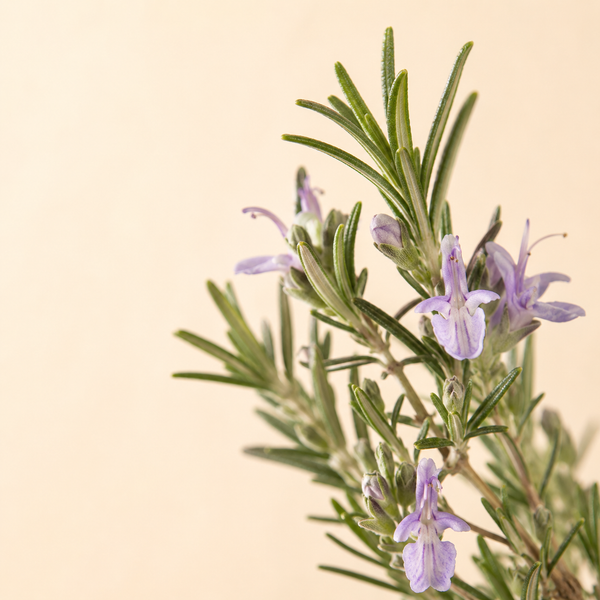
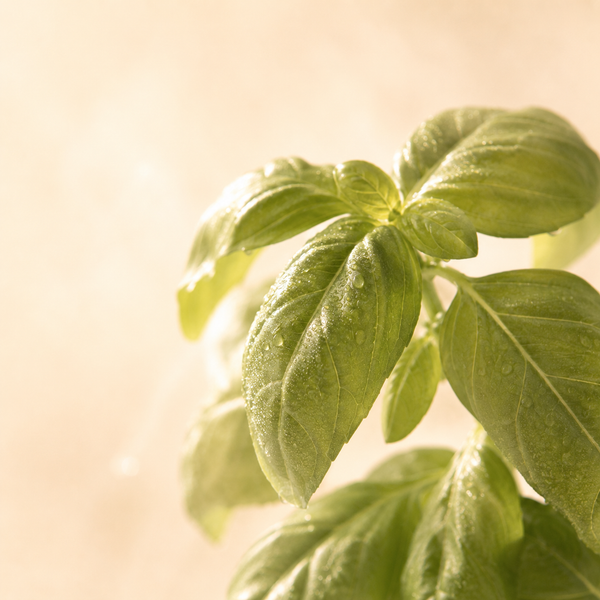
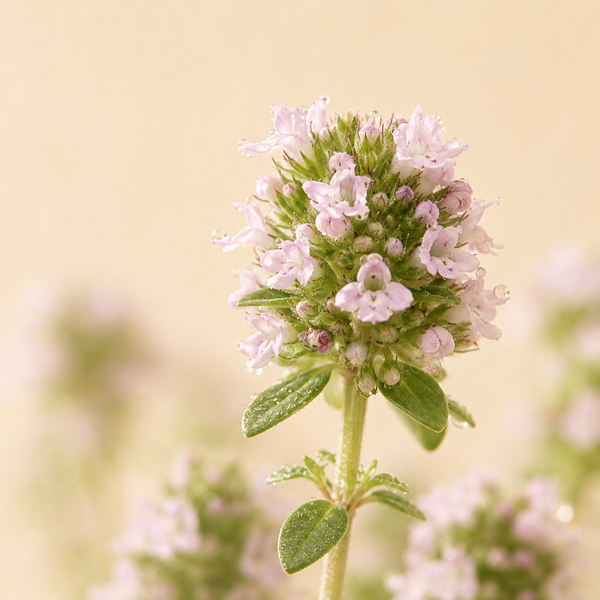
When we say rosemary, we mean a specific version of rosemary — one whose chemistry is gentle on smaller bodies. The same goes for our basil, our thyme, and every ingredient where the science matters.

02

We measure by molecule, not by marketing.

Every batch of essential oil that comes into our production is verified through gas chromatography. We don’t take claims at face value — not even our own.

03

We start with cats. The whole household benefits.

Cats are missing a liver enzyme that humans and dogs both have, which is why scent compounds affect them more. We start every formula with that knowledge. When it works for cats, it works for everyone.


Ten plants. Three families.

Each one chosen for a specific chemotype, a specific origin, a specific reason. We pay more for them. We don’t see it as optional.

Rose — Rosa damascena

The Florals · 01 / 04

Rose

Rosa damascena

The damask rose has been distilled for over a thousand years, in the same valleys, by methods that have barely changed. We use the oil itself — not an absolute, not an accord. True rose, gentle by its own chemistry.

True oil Bulgarian valleys 1,000+ yr method
Jasmine — Jasminum grandiflorum

The Florals · 02 / 04

Jasmine

Jasminum grandiflorum

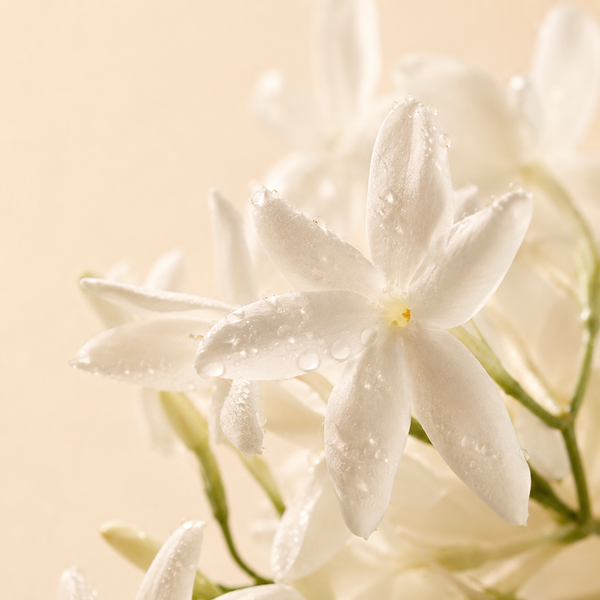
A flower so delicate it can only be picked at night, before the sun changes its character. The result is an oil composed almost entirely of esters and gentle aromatic alcohols. Rich without weight.

Night-picked Ester-rich
Magnolia — Magnolia biondii

The Florals · 03 / 04

Magnolia

Magnolia biondii

Harvested in late winter, as buds, before the petals open. The oil is pale, quiet, slightly powdery — the kind of presence that softens a room without announcing itself.

Winter buds Powdery
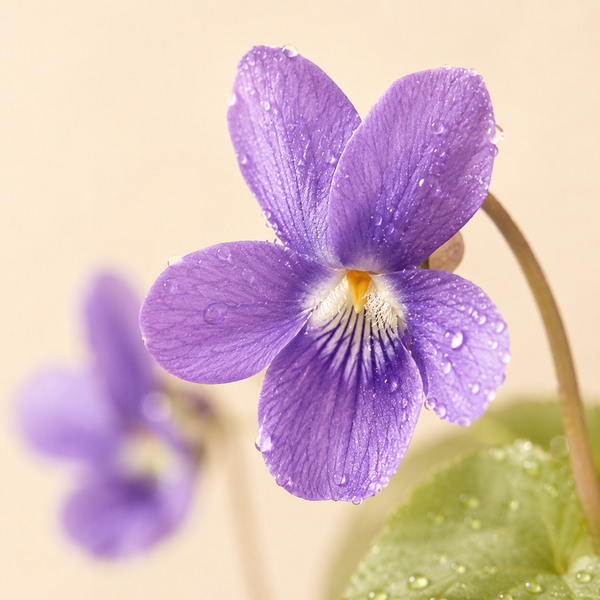
Violet — Viola odorata

The Florals · 04 / 04

Violet

Viola odorata

A leaf as much as a flower. Violet contributes the cool, green undertone in our florals — wistful, half-remembered, like something from a garden you knew once.

Leaf + flower Green undertone

Trust, verifiable.

Four references that quietly underwrite every choice we make. None are decorations — each is a constraint we work inside.

FDA-Registered

Manufacturing

Our products are made in an FDA-registered facility, meeting U.S. federal standards for manufacturing safety and process control.

Prop 65

Compliant

We’ve passed California’s Proposition 65 testing — one of the strictest chemical disclosure standards in the country.

Tisserand & Young

Safety thresholds

Our safety thresholds are informed by Essential Oil Safety, 2nd Edition — the modern foundation of essential oil toxicology.

ASPCA

Cross-Referenced

Every plant in our library is cross-referenced with the ASPCA Toxic and Non-Toxic Plants Database before it joins our work.

If you live with a pet, this part is for you.

"Is this safe for my cat?" isn't a simple question.

The honest answer depends on three things: what's in the bottle, where it sits, and how often it's there. We've answered the questions we hear most often.

You shouldn't have to choose between a beautiful home and a comfortable cat. If your question isn't here, email us — we read every one.

Is it safe to use around cats and dogs?

Furoma is designed specifically for homes with pets. We use plant-derived ingredients and carefully control the concentration to create a gentle, background scent — not an overpowering one. All plants are selected with reference to widely recognized safety guidelines, including the ASPCA non-toxic plant list. Because every pet is different, we recommend starting with light use and observing your pet's behavior.

What makes Furoma different?

Many essential oils used in traditional aromatherapy — like tea tree, citrus, or eucalyptus — can be too strong or irritating for pets. Furoma is different: controlled concentration, designed for shared spaces (not direct exposure), and built on plant-derived ingredients. We focus on creating a calm, non-intrusive atmosphere rather than a strong fragrance.

Where should I place a diffuser?

Anywhere your pet doesn't sleep. Keep diffusers out of nap zones, food/water stations, and litter areas. A bookshelf in a living room is ideal; a bedside table where your cat curls up is not.

How often should I air the room?

A few fresh-air pauses each week. Crack a window for thirty minutes, or move the diffuser into a closed cabinet for a day. Pets benefit from intermittent exposure rather than constant scent.

Why is passive diffusion gentler than spray?

Sprays and ultrasonic mists release a high concentration of compounds into the air at once. Reed and wood diffusion is slow and steady — the air around your pet never becomes saturated.

What if my pet seems to react?

Watch for sneezing, drooling, hiding, or a refusal to enter the room. If you see any of these, remove the diffuser and ventilate. Email us — we'll work through it with you and, if needed, refund.

Questions? We’re easy to reach.